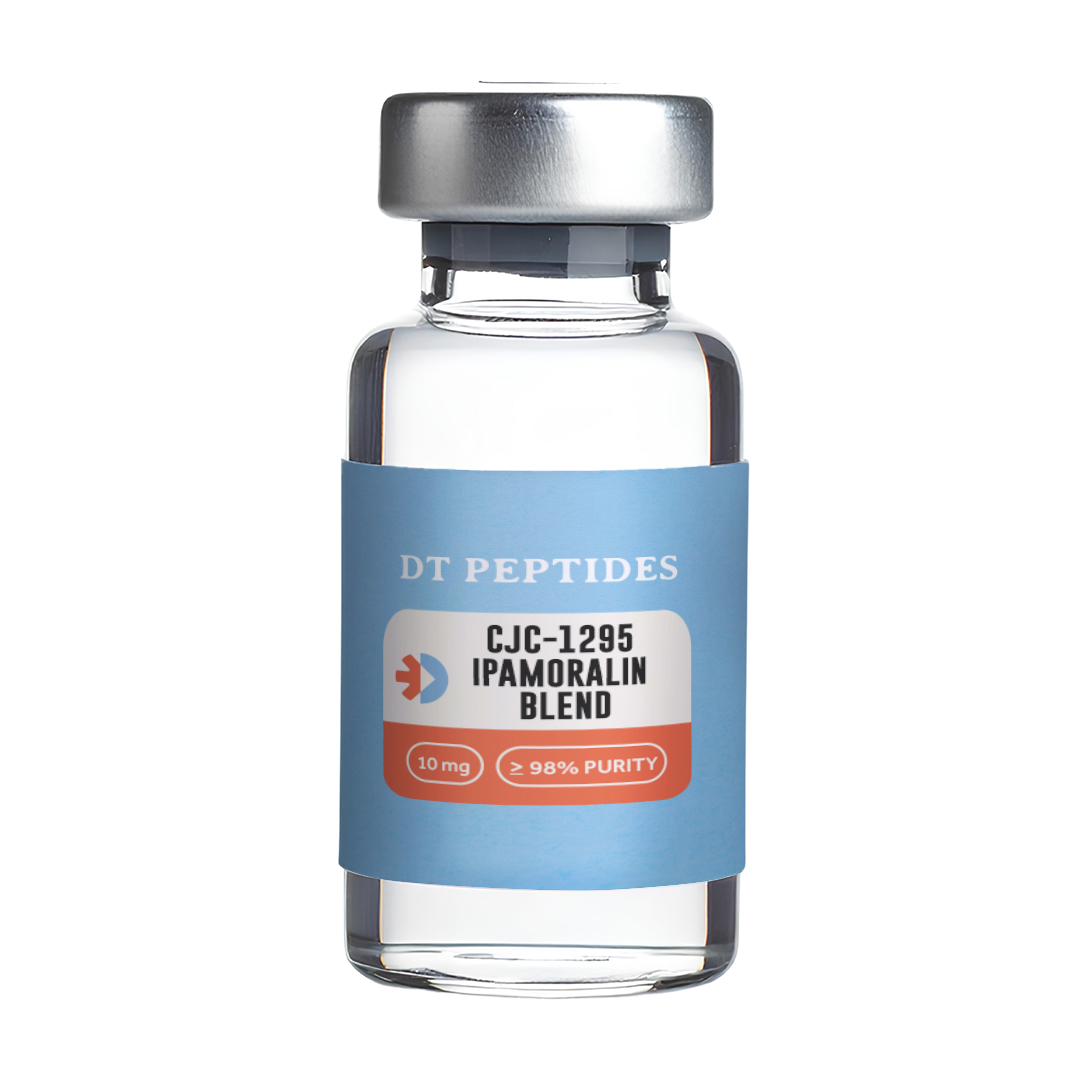
“CJC-1295 / Ipamorelin” has been added to your cart. View cart
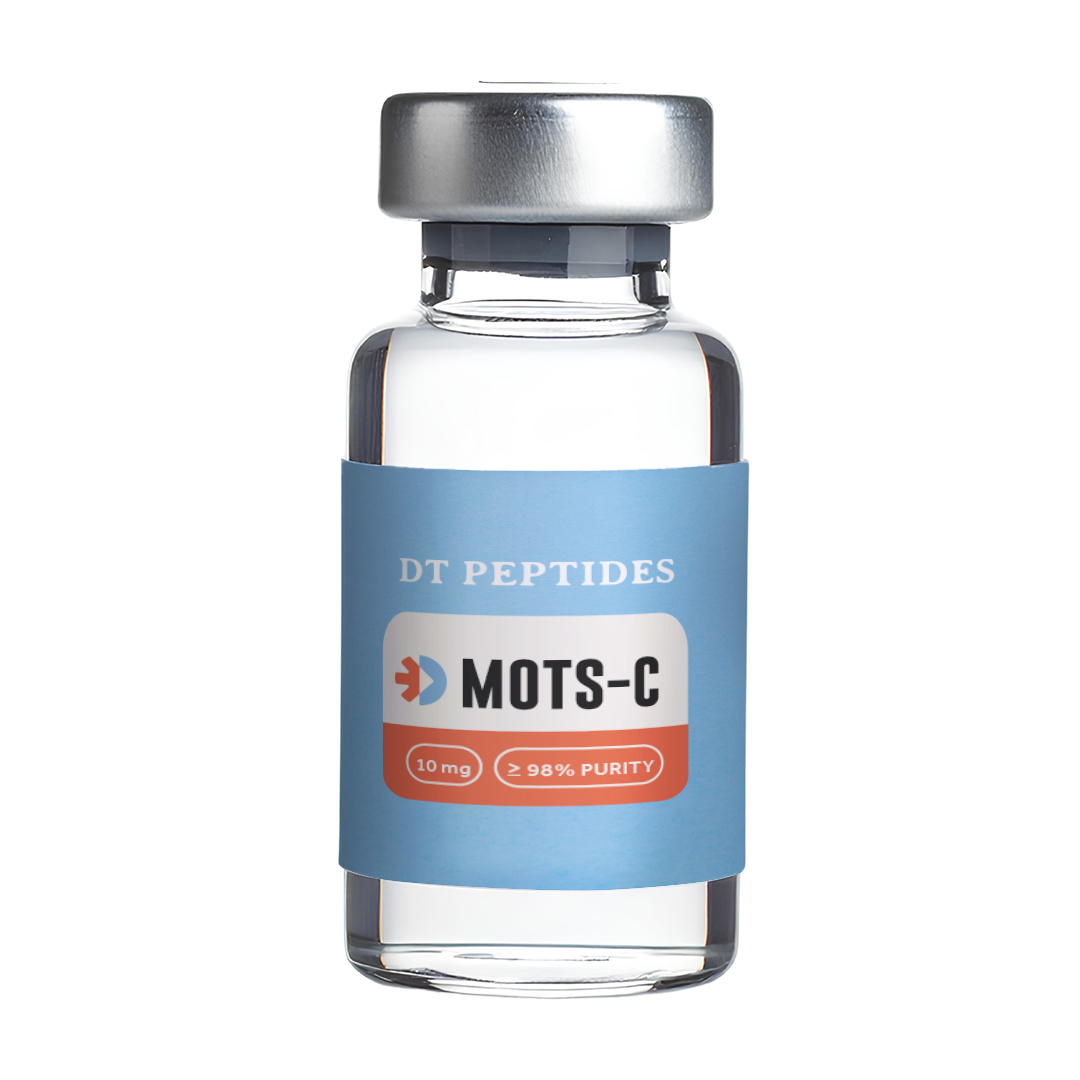
MOTS-C
Price
$169.00
ORDER IS FOR 1 10mg BOTTLE
MOTS-c, an intriguing peptide encoded within the mitochondrial DNA, has been the center of numerous studies for its distinctive influence on metabolic functions. Within the mitochondrial genome, MOTS-c’s primary role is associated with the regulation of metabolic enzymes, which has garnered considerable attention in the scientific community. Research efforts are dedicated to unraveling the complex interactions of MOTS-c within cellular energy processes, delving into the peptide’s potential to modulate metabolic pathways.
The intrigue surrounding MOTS-c extends to its regulatory capacity on metabolic homeostasis. Delicate yet impactful, the peptide has been observed in studies to engage with various facets of metabolism, including the modulation of glucose and lipid metabolism. Such research is pivotal, offering insights into the nuanced ways MOTS-c can influence these essential biochemical pathways. As these scientific endeavors progress, they shed light on the intricate dance of metabolic regulation orchestrated by mitochondrial-derived peptides, underscoring the nuanced potential of MOTS-c within this sophisticated biological symphony.
Buy MOTS‑C 10 mg — Mitochondrial‑Encoded Peptide, High Purity
Lyophilized 10 mg vial
>99 % purity (HPLC‑MS)
Vacuum‑sealed.
Store −20 °C dry; 2–8 °C reconstituted; complete work within 28 days.
For laboratory research only.
Not intended for human or veterinary applications.
Free provider consultation
Ships free 7-10 business days after order is placed
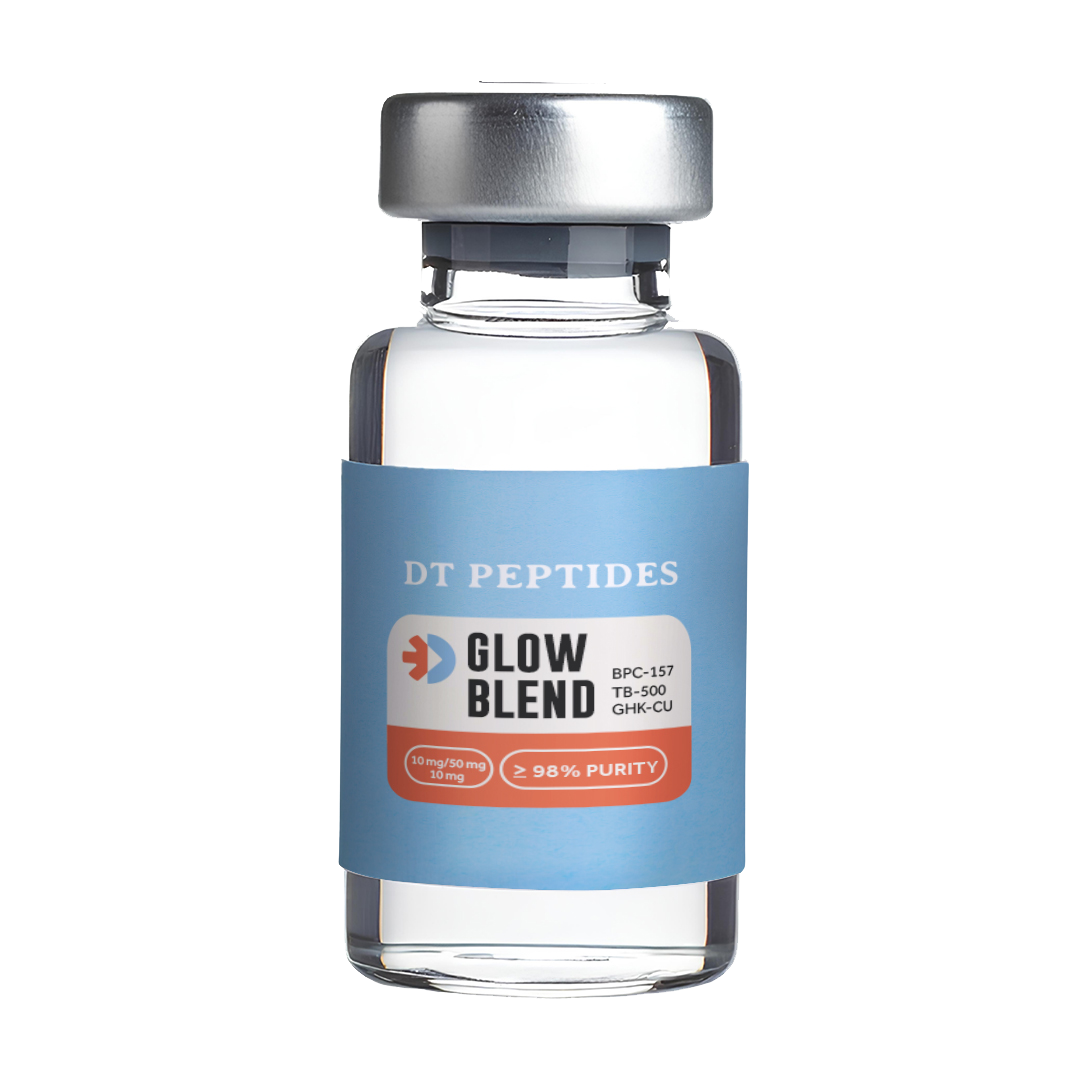
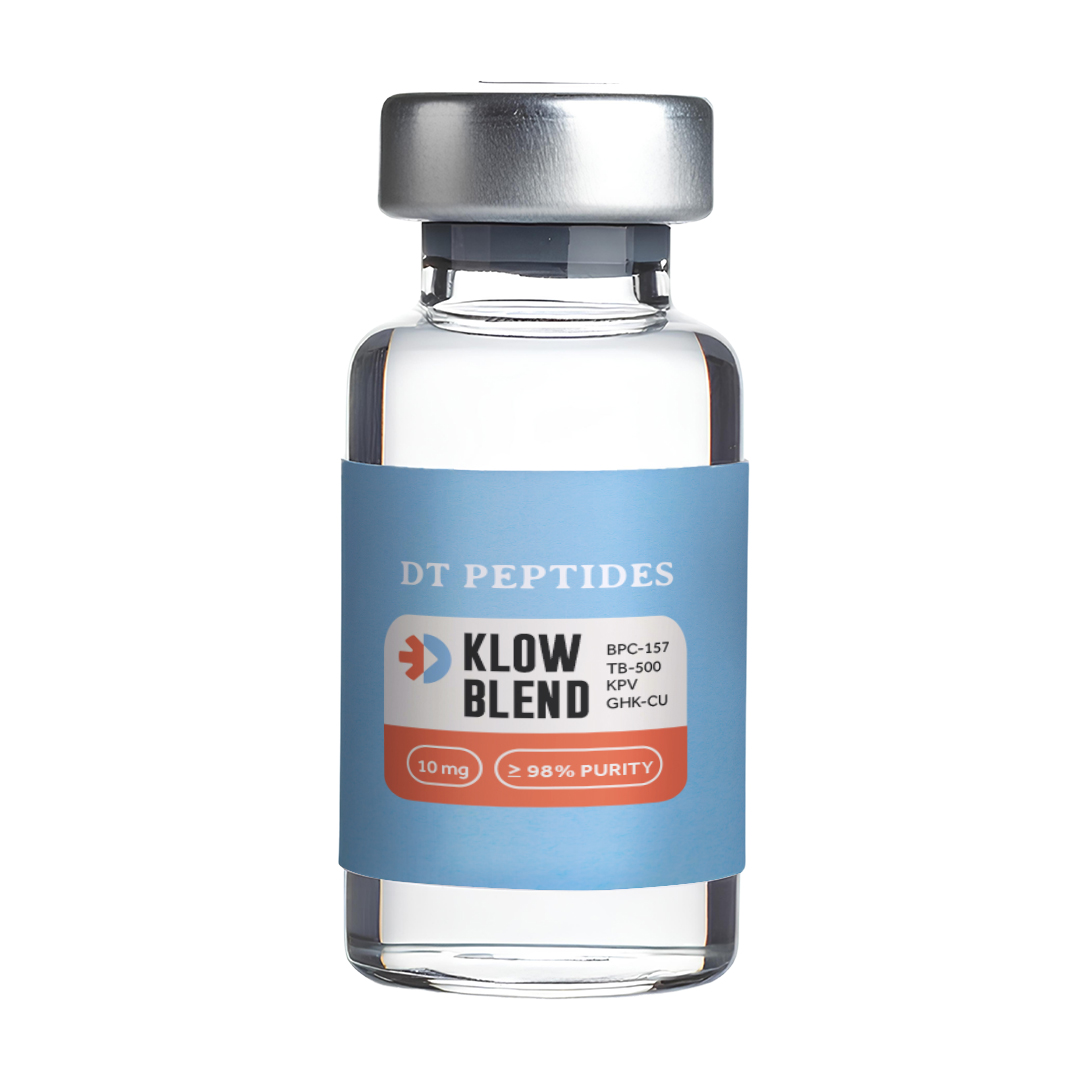
Peptides like BPC-157 and TB-500 are renowned for their ability to speed up tissue repair and recovery. They promote cell migration, reduce inflammation, and enhance angiogenesis, making them ideal for injuries involving muscles, tendons, and ligaments. Faster recovery means a quicker return to daily activities or athletic performance.
Skin Health and Anti-Aging
Peptides such as GHK-Cu support collagen production, improve skin elasticity, and promote wound healing. They also reduce fine lines and wrinkles while combating inflammation, making them a powerful tool for youthful, glowing skin and long-term anti-aging benefits.
Muscle Growth and Recovery
Certain peptides, like TB-500 and growth hormone secretagogues, stimulate muscle repair and growth. They enhance endurance, reduce recovery time after intense workouts, and help maintain lean muscle mass, making them a favorite among athletes and fitness enthusiasts.
Gut & Immune Health
Peptides like BPC-157 provide substantial support for gastrointestinal health by protecting the stomach lining and healing ulcers. They also modulate immune responses, reducing chronic inflammation and promoting overall wellness, especially in individuals with autoimmune or inflammatory conditions.
How do Peptides work
Cellular Regeneration
Peptides act as signaling molecules that trigger the body to repair and regenerate cells. For example, BPC-157 promotes the repair of tissues like muscles, tendons, and ligaments, while GHK-Cu stimulates collagen production and skin repair. This targeted action accelerates healing and enhances overall tissue health.
Reducing Inflammation
Peptides like TB-500 and BPC-157 help modulate the body’s inflammatory response, reducing swelling and pain associated with injuries or chronic conditions. By controlling inflammation, they create an optimal environment for faster recovery and improved function.
Cellular Communication
Peptides improve cellular communication by binding to specific receptors and activating pathways that regulate various biological processes. For instance, they can enhance growth factors, stimulate collagen production, or optimize immune function, ensuring the body operates at its peak potential.